2026 Conference Speakers
2026 Conference Speakers
We are thrilled to welcome an outstanding lineup of speakers to the 2026 ASAP Annual Conference. This year’s presenters represent a dynamic cross-section of thought leaders, innovators, and practitioners from across the field, each bringing unique perspectives, expertise, and insights to our shared mission. As we gather to explore new challenges, celebrate progress, and envision the future, these distinguished speakers will help guide the conversation and inspire meaningful action.
Watch for more interesting topics and speakers.
2026 Conference Speakers
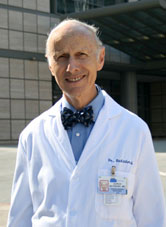
Title: Primary Spinal Syringomyelia
Synopsis: Syringomyelia unrelated to Chiari abnormalities is less common and poses unique challenges to patients and physicians. Among other causes, it may occur after spine injuries, spinal infections and bleeding into the spinal canal.
Obstruction of the normal spinal fluid circulation is the most common problem, and treatment is directed at relieving such blockage, although this is not always possible. In such cases, shunting the fluid out of the spinal cord remains an option
About Dr Batzdorf
Ulrich Batzdorf, MD, FAANS(L), attended the Bronx High School of Science and City College in New York City as a chemistry major. He received his master’s degree in biochemistry from Rutgers University, which preceded entry to New York Medical College, where he taught in the biochemistry department while attending medical school. An internship at the U.S. Naval Hospital, Newport, R.I., was followed by two years of active duty at the Submarine Base, New London, Conn. (Project Officer, Physiology Branch, Naval Research Laboratory).
Dr. Batzdorf completed his general surgery training at the University of Maryland, neurology training at National Hospital, Queen Square, London and a fellowship in neuropathology at the University of California, San Francisco (UCSF). This training prepared him for his neurosurgical residency at the University of California, Los Angeles (UCLA), completed in 1966. Dr. Batzdorf has been actively involved with the Southern California Neurosurgical Society (SCNS), the Western Neurosurgical Society (WNS) and California Association of Neurological Surgeons (CANS), serving as president of these organizations. He has also been active on various committees for several national societies. Dr. Batzdorf’s clinical research has focused on chiari malformations, syringomyelia, spinal cord tumors and cervical spondylotic myelopathy. Currently, Dr. Batzdorf is professor of neurosurgery and director of the Section of Spine Surgery in the Division of Neurosurgery at UCLA Medical Center and serves on the editorial board of Neurosurgery.
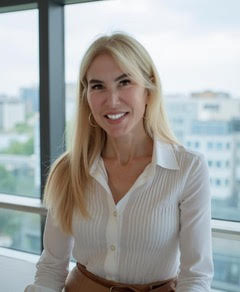
Title: Eagle Syndrome in Connective Tissue Disorders: New Insights into Symptoms, Diagnosis, and Mechanisms
Synopsis: Connective tissue disorders experience a broader range of symptoms that are often difficult to recognize and may be attributed to other conditions. This presentation will review findings from the largest verification-based study of Eagle syndrome in connective tissue disorders and discuss emerging evidence supporting a distinct symptom pattern characterized by auditory complaints, cranial nerve involvement, and autonomic dysfunction.
The presentation will explore the prevalence of Eagle syndrome in connective tissue disorders, common symptom patterns, proposed mechanisms involving the glossopharyngeal nerve and autonomic pathways, and a structured diagnostic approach designed to improve recognition. Implications for treatment and future directions for research will also be discussed, with the goal of increasing awareness of this often overlooked condition and improving outcomes for affected patients.
About Dr Bloom:
Allison R. Bloom, MD, FAAP, FABOM is Director of Translational Research at the Chiari and Ehlers–Danlos Syndrome Center at Mount Sinai South Nassau and Assistant Professor of Pediatrics at the Icahn School of Medicine at Mount Sinai. Board-certified in Pediatrics and Obesity Medicine, she holds a Master’s degree in Molecular Genetics and Cellular Biology.
Dr. Bloom’s research focuses on clinical phenotyping and translational medicine in hypermobility-associated connective tissue and neurosurgical disorders. Her work seeks to improve diagnostic precision, promote earlier recognition, and advance individualized approaches to care for patients with complex multisystem disease. Her research interests include craniocervical instability, venous outflow disorders, Eagle syndrome, dysautonomia, bone health in connective tissue disorders, and the recognition and characterization of complex neurological presentations associated with hypermobility-related disorders.
Dr. Bloom’s early work as a pediatrician helped shape her preventive, integrative, and whole-person approach to caring for patients with complex and often misunderstood disorders. Her perspective has also been shaped by more than 15 years as Medical Director of a New York City foster care agency, where she developed a holistic, trauma-informed approach to caring for medically and socially complex patients—an approach that continues to inform her work with individuals affected by multisystem connective tissue disorders.
She remains actively involved in humanitarian and community health initiatives and continues to volunteer with organizations providing medical care, education, and advocacy to underserved populations. Through multidisciplinary collaboration, her work aims to improve recognition, understanding, and outcomes for individuals living with complex multisystem disorders.
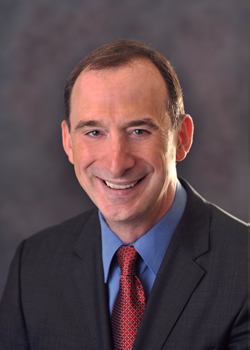 Title: Craniocervical Instability in Chiari I Malformation and EDS Patients
Synopsis: Complex Chiari is the anatomical combination of a Chiari I Malformation alongside a Craniocervical Junction pathology (static or dynamic). Craniocervical Instability (CCI) is a dynamic disorder of the CCJ and can be caused by abnormal skeletal anatomy at the CCJ and/or defects of the ligaments keeping the CCJ together (acquired or congenital).
Whenever its clinical effects raise above the surgical qualification threshold, Complex Chiari represents a difficult technical problem, since the basic tenets of Chiari Decompression and Craniocervical Fusion are at odd with each other, and put the surgeon in the uncomfortable position of favoring one at the expense of the other, or undercutting them both, unless a radically different technical choice is made.
About Dr Bolognese: Dr. Paolo Bolognese graduated from the Medical School of the University of Turin where he completed his neurosurgical training in 1990. A native of Torino, Italy, Dr Bolognese graduated from the Medical School of the University of Turin. He trained twice in Neurosurgery, under Prof. Fasano (Turin, Italy) and under Dr. Milhorat (Brooklyn, NY). In 2001, Dr. Bolognese joined Dr. Thomas Milhorat and then co-founded The Chiari Institute. In 2014, he started the Chiari EDS Center at Mount Sinai South Nassau, along with Dr. Roger W. Kula. His Neurosurgical interests span from Chiari I Malformation to Craniocervical Instability, Tethered Cord, Styloid Hypertrophy, Idiopathic Intracranial Hypertension, and Intracranial Hypotension.
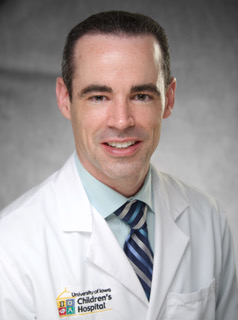 Title: Surgical Failure in Chiari – What to Do Next
Synopsis: Despite generally favorable outcomes, surgery for Chiari Malformation Type I can fail due to persistent cerebrospinal fluid obstruction, inadequate decompression, craniocervical instability, tethered cord, elevated intracranial pressure, alternative diagnoses, and more. Dr. Dlouhy will review the common causes of failed Chiari surgery, discuss a systematic approach to postoperative evaluation, and present evidence-based strategies for revision treatment. Emphasis will be placed on identifying the underlying mechanism of failure and tailoring surgical management to optimize patient outcomes.
About Dr Dlouhy:
Dr. Brian Dlouhy is a pediatric and adult neurosurgeon at the University of Iowa Hospitals & Clinics and Stead Family Children’s Hospital in Iowa City, Iowa. Dr. Dlouhy graduated from New York University School of Medicine in 2007. He completed his neurosurgery residency at the University of Iowa working extensively under Dr. Arnold Menezes. He works side by side with Dr. Arnold Menezes treating all disorders of the craniovertebral junction (CVJ) in children and adults.
Dr. Dlouhy treats all neurosurgical disorders but specializes in the treatment of Chiari malformations, syringomyelia, and disorders of the craniovertebral junction in patients of all ages, from infants to adults. This has led to numerous manuscripts published in peer-review journals and book chapters on these topics.
In addition to his clinical activities, Dr. Dlouhy leads a human brain research lab to better understand Chiari malformations and cerebellar/brainstem function. A goal of his research is to better understand the causes and pathophysiology of Chiari malformations and determine better treatment strategies.
 Title: Disappearing Chiari
Synopsis: We will explore the literature and personal experience on Chiari I which may vanish over time.
About Dr Grant: Dr. Gerald A. Grant, is a neurosurgeon, scientist, and chair of the Department of Neurosurgery at Duke University. Clinically, Grant specializes in treating brain tumors, medically refractory epilepsy, Chiari malformation, and concussion. He treats pediatric patients and young adults. His research focuses on innovative ways to open the bloodbrain barrier to improve the delivery of novel drugs and immunotherapy to target brain tumors.
Dr. Grant is an investigator on several initiatives funded by the National Institutes of Health (NIH) relating to brain tumors, focused ultrasound, brain tumor immunotherapy and concussion. He is an author on 326 peer reviewed journal articles, holds several leadership positions nationally, and serves on multiple editorial boards in neurosurgery.
Grant received his undergraduate degree in neurosciences at Duke University and his medical degree from Stanford University. He completed his residency in neurosurgery at the University of Washington in Seattle and fellowship in pediatric neurosurgery at Seattle Children’s Hospital.
After residency, Grant fulfilled his commitment to the United States Air Force. He was chief of neurosurgery at Wilford Hall Medical Center, Lackland Air Force Base in Texas and the USAF Neurosurgical Consultant for Aerospace Medicine from 2003-2006. He deployed to Landstuhl Regional Medical Center in Germany and Balad Air Base in Iraq as Chief of Neurosurgery, in support of Operation Iraqi Freedom. He attained the rank of Lieutenant Colonel and was awarded a Meritorious Service Medal prior to his separation.
In 2006, Grant joined Duke’s faculty as an associate professor in the Department of Surgery. In 2013 he was recruited to Stanford as Chief of Pediatric Neurosurgery and Vice Chair of Neurosurgery. He served as Associate Dean of academic affairs at Stanford from 2021-2022. In April 2022, Grant was recruited back to Duke as Professor and Chair of the Department of Neurosurgery.
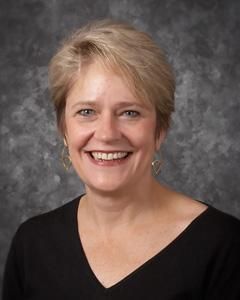 Title: Beware of CSF Pressure Disorders Mimicking Chiari Malformations & Syringomyelia
Synopsis: This lecture will look at secondary causes of Chiari and syrinx, that if treated, can obviate the need for Chiari decompression or syringe-subarachnoid shunts. Imaging strategies for detection and findings that will help to identify these secondary causes will be described.
About Dr Gray:
Dr. Linda Gray began her career at Duke Medical Center in neuroradiology and has been on faculty at Duke in Neuroradiology for 37 years. Initially her career was occupied with running the residency-training program for a dozen years. In 2002 when CT fluoroscopy came to fruition, she initiated CT fluoroscopic guided pain management and pioneered CT interventions along the spinal axis including central cervical epidurals extending from C1-2 and throughout the cervical, thoracic and lumbar spine. In 2006, she initiated a program in CT fluoroscopic guided interventions for the treatment of spontaneous intracranial hypotension. There are now 8 faculty at Duke treating patients with CSF pressure disorders in both neuroradiology and IR. Additionally, she and her colleagues have mentored at least 40 neuroradiologists and 30 institutions throughout the United States, Europe and Australia in the performance of these procedures and has initiated the concept of cerebrospinal fluid (CSF) pressure problems as a secondary cause of migraine headaches throughout the headache community. She is now an invited speaker on the subject, giving multiple lectures throughout the year.
Title: Chiari/Syringomyelia/EDS: Opportunities for Wellness and Longevity
Synopsis: We will explore the literature and personal experience on Chiari I which may vanish over time.
About Dr Grant: Dr. Gerald A. Grant, is a neurosurgeon, scientist, and chair of the Department of Neurosurgery at Duke University. Clinically, Grant specializes in treating brain tumors, medically refractory epilepsy, Chiari malformation, and concussion. He treats pediatric patients and young adults. His research focuses on innovative ways to open the bloodbrain barrier to improve the delivery of novel drugs and immunotherapy to target brain tumors.
Dr. Grant is an investigator on several initiatives funded by the National Institutes of Health (NIH) relating to brain tumors, focused ultrasound, brain tumor immunotherapy and concussion. He is an author on 326 peer reviewed journal articles, holds several leadership positions nationally, and serves on multiple editorial boards in neurosurgery.
Grant received his undergraduate degree in neurosciences at Duke University and his medical degree from Stanford University. He completed his residency in neurosurgery at the University of Washington in Seattle and fellowship in pediatric neurosurgery at Seattle Children’s Hospital.
After residency, Grant fulfilled his commitment to the United States Air Force. He was chief of neurosurgery at Wilford Hall Medical Center, Lackland Air Force Base in Texas and the USAF Neurosurgical Consultant for Aerospace Medicine from 2003-2006. He deployed to Landstuhl Regional Medical Center in Germany and Balad Air Base in Iraq as Chief of Neurosurgery, in support of Operation Iraqi Freedom. He attained the rank of Lieutenant Colonel and was awarded a Meritorious Service Medal prior to his separation.
In 2006, Grant joined Duke’s faculty as an associate professor in the Department of Surgery. In 2013 he was recruited to Stanford as Chief of Pediatric Neurosurgery and Vice Chair of Neurosurgery. He served as Associate Dean of academic affairs at Stanford from 2021-2022. In April 2022, Grant was recruited back to Duke as Professor and Chair of the Department of Neurosurgery.
 Title: Under Pressure: How Patients Can Understand the How and Why of Surgery for Chiari in the presence of Syringomyelia
Synopsis: This session reframes surgery not as a dangerous intrusion, but as a relieving way to make space for cerebrospinal fluid (CSF) flow. The goal is to lower patient anxiety by demystifying the operating room and focusing on the goal of symptom relief and validates their specific, often hard-to-explain physical symptoms. We will focus on explaining CSF fluid dynamics and syrinx improvement in simple terms and mapping out realistic recovery timelines.
About Dr Greenfield: Dr. Jeffrey Greenfield is a board-certified neurosurgeon who specializes in pediatric neurosurgery. In addition he sees certain adult patients with congenital neurosurgical conditions. Compassionate clinical care, research, and education are all central to his philosophy as a neurosurgeon and physician.
As creator and director of the Chiari CARE program, Dr. Greenfield has developed an international reputation caring for children and adults with Chiari malformation, tethered cord, syringomyelia, and other associated conditions such as craniocervical instability, CSF leaks, and hydrocephalus as part of a large multidisciplinary team. Dr. Greenfield is a strong proponent of the unique concept of transitional neurosurgery – caring for patients with specific conditions from childhood through adulthood.
Dr. Greenfield also directs the pediatric skull base surgery program, evaluating and removing tumors of the pituitary gland region and skull base such as craniopharyngiomas with minimally invasive endoscopic tools. Dr. Greenfield is also expert in utilizing minimally invasive ventricular endoscopy of the brain to treat tumors, hydrocephalus, and cysts within the ventricles, and intraoperative brain and spine mapping and imaging to care for children with benign and malignant tumors of the brain and spine.
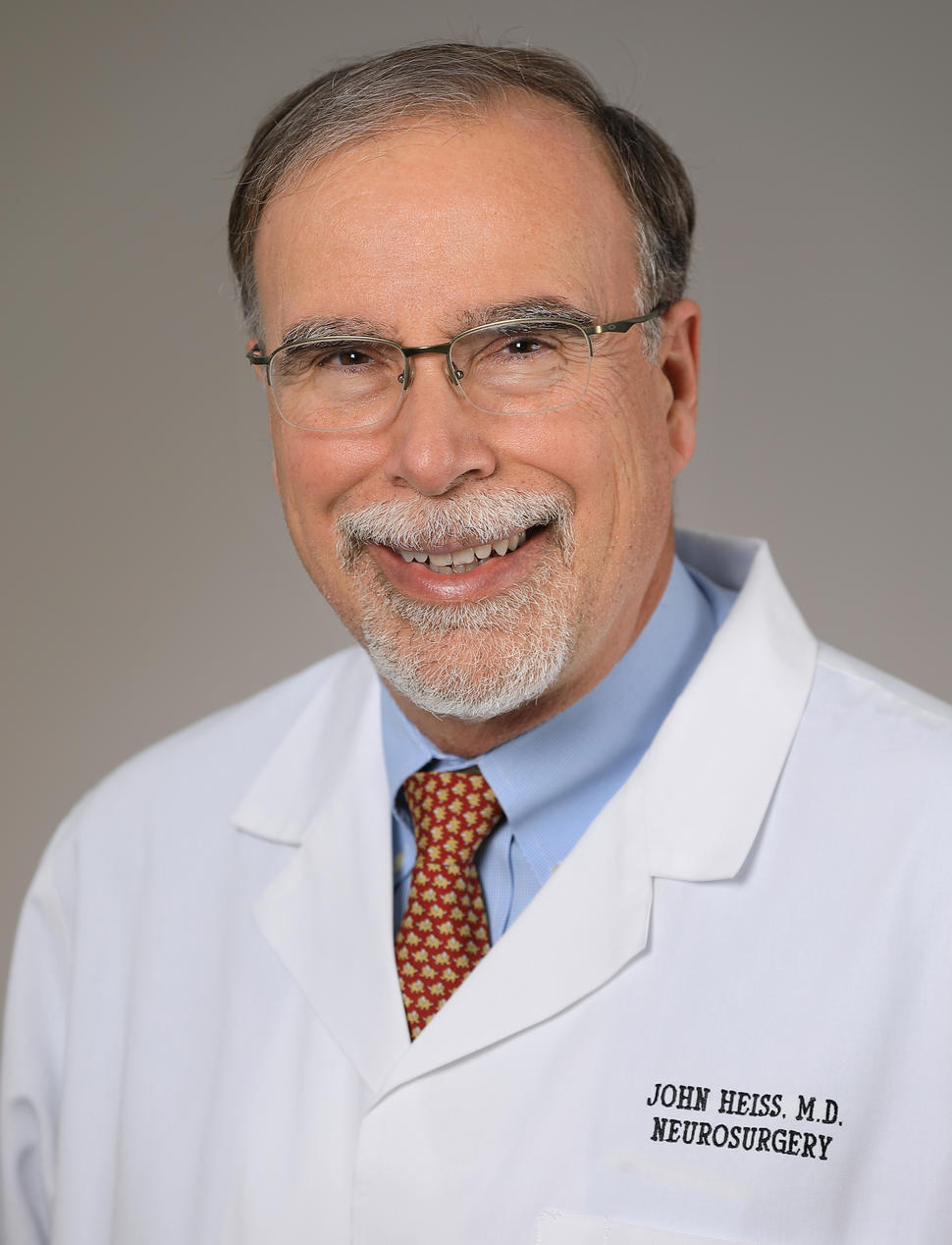 Title: Mechanisms for the Development of Chiari I Malformation
Synopsis: Genetic and MRI studies have provided scientific evidence that Chiari I malformation can arise through several mechanisms. Congenital or primary processes leading to Chiari I malformation include 1) reduced development of the bone of the posterior fossa surrounding the foramen magnum, 2) reduced development of the entire skull, 3) increased growth of the cerebellum, and 4) increased growth of the entire brain. Chiari I malformation can also develop secondary to 5) hydrocephalus, 6) cerebrospinal fluid (CSF) leak, or 7) basilar invagination. These processes reduce the space in the posterior fossa or increase the pressure gradient across the foramen magnum, resulting in the cerebellar tonsils protruding through the foramen magnum. This talk will describe these mechanisms, how to distinguish them on MRI scans, and how treatment is tailored to the mechanism of Chiari I malformation development. The influence of genetic factors on these mechanisms will be mentioned. The talk will conclude by summarizing how advances in genetics, imaging, outcome studies, and surgical experience influence the care of patients with Chiari I malformation.
About Dr Heiss: Dr John D. Heiss, is a Senior Clinician, the Head of the Clinical Unit of the Surgical Neurology Branch, and Program Director of the Neurological Surgery Residency Training Program at the National Institute of Neurological Disorders and Stroke (NINDS), National Institutes of Health (NIH) in Bethesda, Maryland. He is actively involved in clinical and translational research to improve the understanding and treatment of Chiari I malformation, syringomyelia, pain, brain tumors, and Parkinson’s disease. He is board-certified in neurological surgery and an expert in supervising and conducting clinical trials for CNS disorders. Dr. Heiss received his B.S. in Biomedical Sciences and M.D. from the University of Michigan. In addition, he completed his surgical internship and residency in neurosurgery at the University of Cincinnati College of Medicine. Before joining NINDS, Dr. Heiss was Co-Director of the Neuroscience Intensive Care Unit at the University of Cincinnati.
 Title: We’re Not Alone—Chiari Malformation Across Species
Synopsis: This presentation reviews what is currently known about Chiari and Chiari-like malformations across species, comparing symptoms, diagnostic criteria, and management approaches against the human condition. By drawing these threads together, we aim to highlight shared mechanisms, identify where animal findings may inform human understanding, and outline open questions that a more unified view of etiology could help address.
Chiari malformation, marked by displacement of the cerebellum and/or brainstem toward or through the foramen magnum, is well characterized in humans but also occurs naturally in other species. Veterinary medicine has documented comparable malformations most extensively in dogs, with occasional reports in other companion and captive animals, offering models that complement human research. Across species, clinical presentation, diagnostic approach, and treatment strategies show notable overlap, alongside meaningful differences shaped by anatomy, skull conformation, and species-specific biology.
About Dr. Iskandar: Dr. Bermans Iskandar is Professor of Neurosurgery and Pediatrics, and Director of the Pediatric Neurosurgery program at the University of Wisconsin Hospital and Clinics. His clinical interests include neuro-endoscopy, brachial plexus reconstruction, and surgery of congenital CNS malformations, especially hydrocephalus, Chiari malformations, and syringomyelia. Led by Dr. Iskandar, the Wisconsin Hydrocephalus Group (WHP) of engineers, physicists, neurologists, and neurosurgeons aims to determine the etiology of ventricular shunt malfunction and optimize the devices used to treat it. As well, Dr. Iskandar directs a translational research laboratory that has uncovered an important link between folate metabolism, epigenetic influences, and axonal regeneration after central nervous system injury. Dr. Iskandar has recently concluded his service as Chair of the AANS/CNS Section on Pediatric Neurosurgery, and Chair of the American Board of Pediatric Neurological Surgery.
 Title: Tethered Spinal Cord
Synopsis: We will discuss the diagnosis of tethered spinal cord, clinical evaluation of patients with occult spinal dysraphism, and clinical management of patients with tethered spinal cord, including direct intradural untethering and spinal column shortening.
About Dr Iyer: Dr. Rajiv Iyer is an Assistant Professor of Neurosurgery and a dual fellowship-trained pediatric neurosurgeon with a special focus on pediatric spinal disorders. After completing neurosurgery residency at The Johns Hopkins Hospital, he completed a pediatric neurosurgery fellowship at the University of Utah/Primary Children’s Hospital and then went on to complete the Advanced Pediatric Spinal Deformity Fellowship at the Department of Orthopedic Surgery at Columbia University Medical Center in New York with Dr. Michael Vitale and Dr. Lawrence Lenke.
He has a special interest in treating and studying severe spinal deformity, as well as the tethered spinal cord. He is especially interested in understanding the role of spinal column shortening in the treatment of tethered cord. He also serves as the pediatric neurosurgery fellowship director and medical director of the Primary Children’s Hospital multidisciplinary Spina Bifida Clinic.
 Title: Management of Orthostatic Hypotension and POTS
Synopsis: Pending
About Dr Jaradeh: Dr. Safwan Jaradeh has been Professor and Director of the Autonomic Disorders Program at Stanford University School of Medicine since 2011. Prior to that, he was on the Neurology Faculty at the Medical College of Wisconsin from 1989 to 2011, where he also served as Professor and Chair of the Department of Neurology from 2000 to 2011. Dr. Jaradeh trained in Internal Medicine and Neurology in Paris and Cincinnati, and completed Neuromuscular and Autonomic Fellowships at the Mayo Clinic, and Neuromuscular and Neuro-rehabilitation Fellowship at the University of Michigan. His research and clinical focus is in the areas of Autonomic Disorders, Orthostatic intolerance, Peripheral and Autonomic Neuropathies, Neuromuscular Disorders, Electromyography, Cranial and Bulbar disorders. He has won several teaching awards at both Institutions.
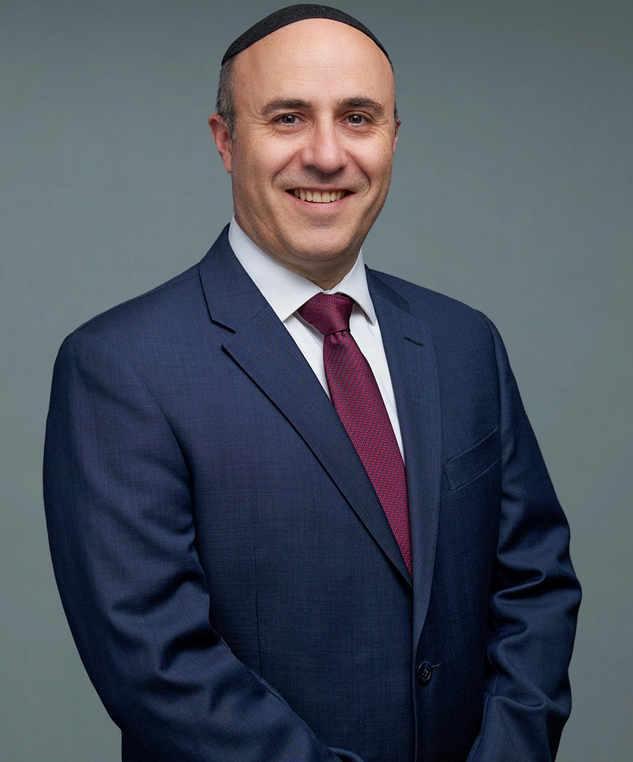 Title: The Path to CCF (Cranio-Cervical Fusion)– Important Psychosocial Considerations
Synopsis: This session discusses the importance of addressing mental health and other psychosocial factors before potential cranio-cervical fusion. It highlights how these factors can influence surgical decision-making, recovery, and patient expectations, emphasizing the value of a comprehensive, patient-centered approach to care.
About Dr Klein: As a neuropsychologist at NYU Langone Ambulatory Care East Meadow, Gad Klein, PhD, specializes in comprehensive neuropsychological evaluations for patients with neurologic conditions including dementia, multiple sclerosis, epilepsy, brain tumors, and movement disorders. His assessments support accurate diagnosis, track symptom progression, and guide individualized treatment planning in collaboration with physicians.
He works closely with the Department of Neurosurgery, providing expertise in pre‑ and post‑surgical evaluations, awake craniotomies, and advanced functional neuroimaging. These collaborations enhance surgical precision and inform postoperative care.
Dr. Klein’s path into neuropsychology began with a deep interest in the relationship between brain function and behavior, ultimately leading him to earn a PhD focused on cognitive and emotional effects of neurologic disorders. Beyond diagnosis, he is committed to helping patients and families understand results, navigate treatment options, and access appropriate medical and psychological support, offering clarity and compassion during challenging times.
 Title: Chiari Malformation Across the Lifespan—Developmental Anomaly or Progressive Disorder? Understanding Age-Dependent Pathology and Phenotypes
Synopsis: The talk will explore Chiari malformation as a dynamic condition spanning the entire lifespan discussing the differences in clinical observations, imaging evolution, and emerging pathophysiological insights and symptoms spectrum in children and adults. Chiari represents a developmental malformation, a progressive disorder, or a continuum of both. Age-dependent phenotypes—from pediatric presentations with brainstem and craniovertebral junction crowding to adult-onset symptoms linked to connective tissue, CSF dynamics, aging and impacts of the degenerative spine and acquired tethering—will be highlighted. The discussion emphasizes how shifting pathology influences diagnosis, surveillance, and treatment strategies, underscoring the need for individualized, lifespan-oriented care and a nuanced framework for understanding disease progression and therapeutic decision-making. The talk will propose research strategies directed to also understand environmental impacts and health stressors that impact the pathological and clinical progression or symptomatic onset condition in both children and adults.
About Dr Klinge: Dr. Petra Klinge serves as an internationally renowned clinician for diagnosing and neurosurgical treatment of patients with CSF disorders working on the unifying concept of cognitive problems related pathology in Hydrocephalus of aging and pediatric patients. Her practice also includes patients with associated developmental Cerebrospinal fluid disorders, such as spina bifida, Chiari malformation, tethered cord, patients with connective tissue disorders and associated spinal fluid disorders including syringomyelia and occult tethered cord syndrome. Her research focuses on the pathophysiology and diagnosis of tethered cord and on establishing criteria and clinical biomarkers for surgical intervention in tethered cord syndromes (1-5).
In collaboration with neuroradiology in her practice at Rhode Island Hospital and the Carney-Institute and the department of bio-engineering at the Brown Medical School she develops pioneering and novel clinical and in-vivo diagnostics and pathological studies to improve the management and validation of those conditions.
In the past 2 years, Dr. Klinge has also collaborated with the University of Akron Conquer Chiari Research Center, founded by the Department of Psychology and the Department of Biomedical Engineering on the implications of ageing in Chiari as well as identifying cognitive and imaging biomarkers to support the biodynamic concept of the failure of Cerebrospinal fluid regulation at the base of the skull in adult Chiari malformation. Her research has focused on the failure of “Myodural bridges” and defunct collagen that supports the aspects of CSF circulatory failure at the base of the skull in various conditions including Chiari associated with connective tissue disease and she works on the novel concept of a “Spinal cord motion disorder” that might explain and support occult neurosurgical pathologies associated with impaired CSF regulation and tethering of the spinal cord and brain stem. She had been appointed by the National Academy of Sciences and has served in 2022 in a committee to establish disability criteria for the neurological conditions in patients with Ehlers-Danlos-Syndrome and Marfan Syndrome as an nationally acknowledged expert for spinal cord disorders and tethered cord syndrome. Selected Heritable Disorders of Connective Tissue and Disability | National Academies.
 Title: Large Cohort Analysis of Chiari Malformation Type 1. Real-World Data from Multi-Centers in Central China
Synopsis: This study reports on the clinical and surgical histories of 827 patients with Chiari type 1 in Henan Province, the People’s Republic of China. There are disparities and similarities with the clinical experience of American clinical and surgical researchers. This highlights the breadth of the complexities of Chiari I. Our society expands its reach to researchers and their patients from other nations.
About Dr Lazareff:
Emeritus Professor of Neurosurgery, Department of Neurosurgery. David Geffen
School of Medicine. University of California, Los Angeles. Clinical and research interest in congenital malformations of the Central Nervous System. Currently involved in studying barriers to care for congenital diseases of the nervous system.
 Title: Syringomyelia, Syrinx, and Central Canal Dilation
Synopsis: I will discuss the radiographic appearances of these abnormalities in addition to the proposed mechanisms as to why they occur. Additionally, I would discuss patient presentation and manifestations and how they relate to the anatomy specific to those disease states. Lastly, I would discuss the neurosurgical management and follow up of each and when surgical intervention is considered appropriate or not.
About Dr Levy:
Dr. Michael Levy is the Professor and Division Head of the University of California San Diego Division of Pediatric Neurosurgery. Dr. Levy is also Chief of Pediatric Neurosurgery at Rady Children’s Hospital-San Diego and UC San Diego School of Medicine.
In 2002, he was recruited to develop a Pediatric Neurosurgical Center of Excellence at Rady Children’s and a pediatric neurosurgical fellowship at UC San Diego. Currently, Dr. Levy is the director of UC San Diego’s Pediatric Neurosurgical Fellowship Training Program and its pediatric neurosurgical international fellowship.
Dr. Levy’s expertise lies in the treatment of complex pediatric brain tumors and cerebrovascular malformations. He is also involved with the design and utilization of endoscopy and three- dimensional imaging technologies to facilitate surgery.
Along with his clinical expertise, Dr. Levy is actively involved in research and is widely published, with more than 200 papers appearing in peer-reviewed literature, seven books and more than 60 book chapters. Additionally, he is currently on the editorial boards of 16 peer-reviewed journals, including Neurosurgery, Journal of Health Communications, World Neurosurgery, Frontiers in Pediatrics and Journal of Neurosurgical Sciences.
Dr. Levy’s professional memberships include the Society of University Neurosurgeons, the American Academy of Neurological Surgery and the American Society of Pediatric Neurosurgery, along with Alpha Omega Alpha (Medical Honor Society), the American College of Surgeons, the American Association of Neurological Surgeons, the Congress of Neurological Surgeons, Joint Section of Pediatric Neurosurgery and the WHO Global Initiative for Emergency and Essential Surgical Care.
 Title: The Epithelial-Neuroimmune Axis in Ehlers-Danlos Syndromes – Bridging Barrier Dysfunction and Systemic Inflammation to Structural Spinal Pathology
Synopsis: EDS—particularly the hypermobile type (hEDS)—is characterized by weak extracellular matrix (ECM) and ligamentous laxity. Unlike most other EDS subtypes, this ECM dysfunction and laxity are thought to be acquired, driven by chronic neuro-immune dysregulation. The epithelial barrier hypothesis proposes that modern environmental exposures—such as detergents, microplastics, processed foods, and particulate matter—damage epithelial barriers in the gut, skin, and lungs. Barrier disruption increases permeability, allowing microbes and allergens to enter the body, which promotes microbial dysbiosis and sustained low-grade micro-inflammation. These neuroimmune–spinal interactions may contribute to conditions such as Chiari Malformation Type I (CMI) and tethered cord syndrome by weakening ligaments and altering the ECM, thereby exposing the brainstem and spinal cord to deformative mechanical stress. For neurosurgeons treating patients with EDS and related spinal disorders, these patients present distinct biological and structural challenges: (1) chronic systemic neuroimmune dysfunction, (2) tissue fragility and impaired wound healing, (3) dysautonomia—often manifesting as postural orthostatic tachycardia syndrome (POTS), (4) structural pathology, and (5) the need to anticipate potential failure mechanisms to reduce the risk of poor surgical outcomes. Successful management therefore requires coordinated, integrated, multidisciplinary care spanning neurosurgery, neurology, immunology, and genetics, alongside relevant medical specialties.
About Dr Maitland:
Anne L. Maitland, MD, PhD is the Director of the Ehlers Danlos Syndrome Institute, at Medical University of South Carolina, and an Associate Professor in the Department of Medicine, Division of Rheumatology at the Medical University of South Carolina.
Her career has long been driven by curiosity about the neuro-immune axis and its dysregulation in disease. She was introduced to the spectrum of neuroimmune dysregulation, as she witnessed the HIV and asthma epidemics unfold in her hometown, in the 1980s. Nowadays, Long COVID exemplifies acquired neuro-immune dysregulation, which follows infection by SARS CoV-2 and impacts 7% of the US population; and, children as well as adults with connective tissue disorders, such as Ehlers-Danlos Syndromes (EDS), face neurodevelopmental challenges and heightened sensitivity to environmental exposures, which reflect chronic dysregulation of the autonomic nervous and immune systems, respectively.
In collaboration with Drs. Norris, Gensemer and Patel, Ehlers-Danlos Syndrome Institute (EDSI) will become a model of innovative care for complex medical disorders, amidst a sea of siloed healthcare.
Dr. Maitland serves on committees, addressing mast cell activation disease (MCAD), Health Care Disparities and Integrative Medicine of the American Academy of Allergy, Asthma and Immunology. She also serves on the scientific faculty for the Mast Cell Disease Society, the Ehlers-Danlos International Consortium and the Chiari-Syringomyelia Foundation.
 Title: Stem Cell Therapy for Syringomyelia, Chiari Malformation, and Related Neurological Disorders: Current Evidence, Clinical Experience, and Future Directions
Synopsis: Stem cell therapy is emerging as a promising area of regenerative medicine for patients living with complex neurological disorders. In this presentation, Dr. Brian Mehling will review the scientific rationale behind stem cell therapy, discuss current clinical evidence, and share his clinical experience treating patients with neurological conditions, including Syringomyelia, Chiari Malformation, and related disorders.
Attendees will learn how stem cells may help reduce inflammation, modulate the immune system, support tissue repair, and promote nerve regeneration. Dr. Mehling will also explain what a typical stem cell treatment involves, including patient evaluation, treatment protocols, safety considerations, expected outcomes, and the current limitations of this rapidly evolving field.
The presentation will provide a balanced overview of where regenerative medicine stands today, what is supported by current scientific evidence, and the exciting research that may shape future therapies for patients living with these challenging neurological conditions. Time permitting, the session will conclude with an interactive question-and-answer discussion
About Dr Mehling: Brian Mehling, MD, MS is the founder and chief medical officer of Blue Horizon International (BHI). He is a practicing American orthopedic trauma surgeon, researcher, and philanthropist. He is spearheading groundbreaking research in stem cell therapy through his company, Blue Horizon International, a healthcare consulting organization focused on treatment and research using stem cells and exosomes. He is board-certified in orthopedic surgery and anti- aging/regenerative medicine.
Dr. Mehling started his path in medicine through undergraduate study at Harvard University, obtaining his Bachelor of Arts and Master of Science degrees in Biochemistry from Ohio State University. Completing his degree of medicine at Wright State University School of Medicine, Dr. Mehling received post graduate education through residencies and fellowships at St. Joseph’s Hospital in Paterson, NJ and the Graduate Hospital in Philadelphia, PA. He is currently pursuing a Ph.D. in Chemistry at Seton Hall University.
An orthopedic trauma surgeon, Dr. Mehling operates his own practice, Mehling Orthopedics, in both West Islip, NY and Hackensack, NJ. He also has privileges and takes call at Hackensack University Medical Center, Hackensack University Medical Center at Pascack Valley, Hackensack Meridian Palisades Medical Center, Hudson Regional Hospital, St. Joseph’s Medical Center, and St. Joseph’s Wayne Medical Center.
Dr. Mehling has traveled extensively throughout Asia and the Middle East observing first-hand the differences in healthcare standards. Identifying the need for a universal high-quality standard, he founded Blue Horizon International.
He and his colleagues have successfully treated and monitored more than 600 patients using stem cell and regenerative therapies. Patients have been treated for a wide range of diseases and disorders including spinal cord injury and cerebral palsy.
Dr. Mehling founded the Blue Horizon Charitable Foundation, which was with the mission to assist in and finance the advancement of all aspects of stem cell therapies and cellular regenerative medicine and research in full regulatory conformance, in conjunction with the scientific community. The foundation will also support and provide charitable therapies to those suffering from degenerative diseases and debilitating conditions.
Dr. Mehling also raises awareness through his film company, Industrial Motion Pictures (IMP). His full feature documentary, “Tiny Tears,” presented at the Cannes and New York Film Festivals, is a collection of testimonials from caregivers and volunteers in different countries, devoted to saving and helping children affected by AIDS. He is currently working on several other film projects, among them a documentary exploring the future of medicine and the revolution taking place in stem cell therapy.
 Title: Updates on the Management of Chiari Malformation – Current Evidence Review
Synopsis: In the presentation I will discuss the current evidence base for the management of chiari malformation in children. This will include presentation and explanation of the most up to date literature and how that translates to patients and their families. This will help in understanding why providers make the decisions they do when managing children with chiari I malformation.
About Dr Ravindra: Dr. Vijay Ravindra is a board-certified adult and pediatric neurosurgeon and former active duty Naval Officer. He is currently an Associate Professor of Neurosurgery at the University of Utah and practices at Primary Children’s Hospital in Salt Lake City, UT.
He completed his neurosurgery training at the University of Utah, where he worked closely with Dr. Douglas Brockmeyer. He completed his pediatric neurosurgery fellowship at Texas Children’s Hospital – Baylor College of Medicine. His clinical interests include disorders of the pediatric spinal column, in particular the craniocervical junction and scoliosis. He is actively studying tissue properties of the CCJ in children with Chiari malformations.
 Title: Mast Cells and Disease
Synopsis: This lecture will discuss how and why mast cells have been implicated in an increasing number of diseases over the past few years. With over 1200 mediators and 300 membrane receptors as well as their physiologic role and tissue residence, these innate immune cells are poised to cause a multitude of symptoms that have previously been thought to be idiopathic, refractory, and sometimes functional.
About Dr Ruhoy: Ilene S. Ruhoy, MD, PhD is a board-certified neurologist and environmental toxicologist and serves as the Director of Neuroimmune and Connective Tissue Neurology at the Atria Health Institute in NYC. Dr. Ruhoy has served as the Medical Director for the EDS-Chiari Center at Mount Sinai South Nassau Hospital. Originally from New York, she trained in both pediatric and adult neurology at the University of Washington and Seattle Children’s Hospital. In addition to neuromuscular fellowship training at the University of Washington, she is a graduate of the University of Arizona Integrative Medicine Fellowship. Dr. Ruhoy is the co-editor of Integrative Neurology, published by Oxford Press and the co-editor of the Preventative Neurology issue of Seminars in Neurology published by Thieme Medical. She is also the author of Invisible No More published by St. Martins Press.
 Title: C1 Transverse Process Resection Technique for Internal Jugular Vein Decompression at the Skull Base
Synopsis: Compression of the internal jugular vein at the skull base can lead to venous outflow obstruction and intracranial hypertension. Anterolateral approaches, including styloidectomy with partial C1 transverse process shaving is a common approach, however this may leave residual osseous and soft tissue constraints. We describe a posterior technique for complete C1 transverse process resection, including unroofing of the transverse foramen and periosteo-fascial release. The approach can be performed bilaterally through a single midline exposure, provides direct visualization of the vertebral artery, does not transverse lower cranial nerves, and can be combined with other craniocervical procedures. We’ll review the operative steps and early radiographic findings demonstrating IJV re-expansion on CTA.
About Dr Sisti:
Jonathan A. Sisti, MD, is a neurosurgeon specializing in cerebrovascular and endovascular neurosurgery at the Icahn School of Medicine at Mount Sinai, where he holds the academic rank of Assistant Professor in the Department of Neurosurgery.
Dr. Sisti earned his MD from Columbia University College of Physicians & Surgeons and completed his residency in neurological surgery at New York-Presbyterian Hospital (Columbia Campus). He subsequently pursued dual fellowship training — first in neurovascular and endovascular neurosurgery at the Icahn School of Medicine at Mount Sinai, and then in minimally invasive cranial and skull base surgery at LAC-USC Medical Center (Keck School of Medicine).
 Title: New Surgical Technique for Chiari Decompression
Synopsis: This presentation will review an innovative surgical technique for treating Chiari Malformation. I will discuss the rationale behind the new approach, how it differs from traditional decompression procedures, and the potential benefits for patients. Topics will include patient selection, surgical planning, operative technique, expected outcomes, and complication management. Clinical results and case examples will be presented to illustrate the effectiveness of this evolving procedure and its impact on symptom relief, restoration of cerebrospinal fluid flow, and overall quality of life for patients living with Chiari malformation. My talk is designed for patients, caregivers, and healthcare professionals seeking to understand advances in Chiari surgery and their potential implications for treatment.
About Dr Veznedaroglu:
Erol Veznedaroglu, MD, FACS, FAANS, FAHA, or Dr. Vez, is one of the nation’s most innovative and experienced vascular, dual-trained neurosurgeons. He is director of the Drexel Neurosciences Institute and holds the Robert A. Groff Chair in Neurosurgery. Dr. Vez is also chair of Global Neurosciences Institute, LLC (GNI) leading a team of some of the nation’s most experienced neurosurgeons specializing in comprehensive care including vascular, tumor, spine and functional neurosurgery, as well as a consortium of neuroscience physicians providing subspecialty neurology and comprehensive pain management clinical services. He is board certified in neurological surgery, and is a fellow of the American College of Surgeons (FACS), the American Association of Neurologic Surgeons (FAANS) and the American Heart and Stroke Association (FAHA).
 Title: Lowering the Bar on MR: A Deep Dive into Craniocervical Pathologies
Synopsis: Foundational concepts and tips on orientation to and basic image interpretation of MRI of the brain, craniocervical junction, and spinal cord will be reviewed, in relation to various craniocervical pathologies. Get ready to be guided by an academic neuroradiologist to increase your familiarity with imaging of normal anatomy and more common disease processes.
About Dr Yang:
A board-certified radiologist/neuroradiologist, Dr. Carina Yang is a Professor of Radiology and has served as the Director of Pediatric Neuroradiology at the University of Chicago Medicine since 2013, with a focus on diagnosing and characterizing the full scope of head, brain, spine and neck conditions. Dr. Yang is an expert in interpretation of neuroradiological computerized tomography (CT) and magnetic resonance (MR) examinations, and promotes techniques for pediatric patients to minimize radiation exposure and performing testing without the need for extended sedation. She also serves as the Vice Chair of Diversity & Inclusion for her department and is the Faculty Director for Fellowship Accreditation with the Office of Graduate Medical Education.
Dr. Yang was previously a team member for the Margaret Hackett Family Program at the University of Chicago, which aims to collaborate with physicians who advocate for the education and the advancement of knowledge pertaining to the care of patients. She is an elected member of the American Syringomyelia & Chiari Alliance Project Board. Dr. Yang is also a collaborating researcher with other pediatric neuroscience clinicians in evaluating topics including noninvasive MR of meningeal lymphatics in patients with craniosynostosis, and the potential relationship of retinopathy of prematurity to posterior reversible encephalopathy syndrome (PRES) in premature infants.
She was selected as a Senior Faculty Scholar in the Bucksbaum Institute for Clinical Excellence, as well as recently inducted as a Fellow of the University of Chicago Pritzker School of Medicine Academy of Distinguished Medical Educators. She also has great interest in promoting neuroradiology education to trainees and practicing clinicians on a global arena, with past invited visiting professorships to locations such as Newfoundland, Canada; Trinidad; Hong Kong; as well as Gwalior and New Delhi, India, in part with funding from two University of Chicago Provost’s Global Faculty Awards. She was selected as the 2019 Anne G. Osborn American Society of North America International Outreach Professor to Ethiopia, and most recently traveled to Armenia for additional volunteer pediatric neuroradiology teaching. She hopes to continue to further her worldwide educational endeavors at new upcoming sites.
View PROGRAM